Old Steam Engine Locomotive Train Logo: A Timeless Design Asset
There's something undeniably powerful about the imagery of a steam locomotive. It evokes a sense of journey, industrial strength, and classic Americana. For designers and business owners, capturing that nostalgic yet robust feeling in a brand mark can be a challenge. This is where a specialized design asset like the Old Steam Engine Locomotive Train Logo template becomes a practical tool, offering a ready-made foundation for projects that demand a vintage, mechanical, or heritage aesthetic.
Understanding the Visual Appeal
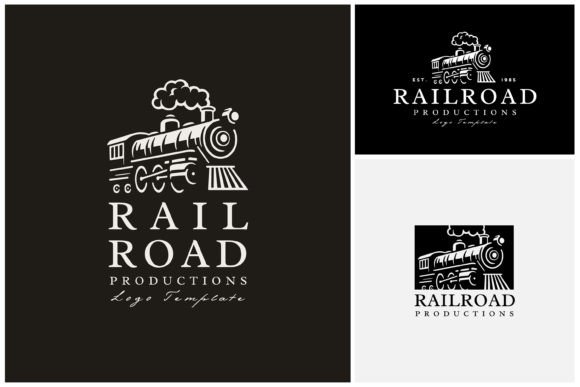
This isn't just a generic train icon. The design leans into the detailed, engraving-style illustration often associated with early 20th-century logos and patents. Think of the intricate linework on old blueprints, the bold silhouettes of railway company emblems, or the stamp-like quality of vintage industrial trademarks. This particular asset, provided as a fully layered EPS 10 vector file, captures that authentic feel. The key visual elements include:
- Dynamic Composition: The locomotive is likely depicted in motion or at a powerful stance, suggesting progress and reliability.
- Textured Detailing: Fine lines mimic the look of metal rivets, smoke stacks, and driving wheels, adding a tactile quality.
- Integrated Typography: While the text within the template is non-editable, the layout shows how a strong serif or slab-serif font can harmonize with the illustrated elements, creating a cohesive badge or emblem.
- Scalable Clarity: As a vector, it maintains crispness whether used on a business card or a large banner.
Practical Applications for Creators and Businesses
The true value of a design asset lies in its versatility. This steam engine logo template isn't a one-trick pony; it can be adapted across numerous creative and commercial projects. Its strength lies in projects that benefit from a touch of nostalgia, craftsmanship, or rugged individualism.
For branding and logo design, it serves as a stellar starting point for companies in transportation, logistics, heritage tourism, artisanal manufacturing, or even craft breweries and coffee roasters seeking an industrial-vintage vibe. You can customize colors to match a brand palette and remove or rearrange elements to create a unique mark.
In packaging and merchandise, the design translates beautifully to labels, tags, and product packaging. Imagine it on a coffee bag, a bottle of hot sauce, or the sleeve of a t-shirt. It immediately communicates a story of quality and tradition. For print materials like posters, event flyers for a steam rally, or editorial layouts in a history magazine, it provides a strong focal point.
Digital applications are equally broad. Use it to create impactful social media graphics that stand out in a feed, design a distinctive favicon for a website, or develop headers and section breaks for a blog focused on travel, history, or DIY projects. It can even enhance digital products like printable art or themed invitations.
Integrating the Asset into Your Design Workflow
Purchasing the file is just the first step. To use it effectively, you need a plan. The provided EPS file is optimized for Adobe Illustrator, which is the recommended software for full editability. Here’s a practical approach:
- Isolate and Experiment: Open the file and explore the layers. You might find separate groups for the locomotive, smoke, text, and decorative borders. Try isolating just the train illustration to use as a standalone icon.
- Color Customization: Change the color scheme to fit your project. A monochrome black or sepia tone enhances the vintage feel, while a bold, single accent color can modernize it.
- Typography Pairing: Since the included text is non-editable, you’ll need to add your own. Choose fonts that complement the era. A sturdy serif font or a slab serif font often works best. Avoid overly delicate script fonts unless for a specific contrast. Test pairings for readability at small sizes.
- Simplify for Versatility: Not every use case needs all the detail. Create a simplified version for small-scale uses like favicon or social media profile pictures by removing fine lines.
Ensuring Professional Results and Brand Consistency
Using a template doesn’t mean your design will look generic. The goal is to use it as a building block. By customizing colors, altering composition, and pairing it with the right typography, you create a unique brand identity. This consistency across all touchpoints—from your website header to your invoice template—builds brand recognition.
Always consider commercial licensing. The terms provided state the asset is for commercial use, which is essential for entrepreneurs and businesses. However, it’s good practice to review the specifics to ensure your intended use, especially for merchandise or digital products sold at scale, is fully covered.
Before finalizing, test your design in context. Place your logo mockup on a website, a product label, and a social media post. Check the visual hierarchy—does the train draw the eye as intended? Is the text legible? Does the overall mark feel balanced? This real-world testing is crucial for professional presentation and ensures the design works as hard as you do.
Ultimately, an asset like the Old Steam Engine Locomotive Train Logo is about more than just a picture of a train. It’s a versatile piece of design machinery that, when handled skillfully, can help tell a compelling brand story, engage an audience with its nostalgic charm, and provide a solid foundation for a wide range of creative projects. It’s a practical tool for anyone looking to inject a dose of heritage and strength into their visual communications.