Streamline Your Brand Identity with a Professional Template
Creating a cohesive brand identity can feel like a monumental task, especially when you're juggling multiple projects or managing a growing business. You know the importance of a consistent visual presence, but the process of documenting every color, font, and logo usage often gets pushed to the back burner. This is where a well-structured Brand Guidelines Keynote Template becomes an invaluable asset, transforming a complex chore into a streamlined, professional deliverable.
The Core of Visual Consistency
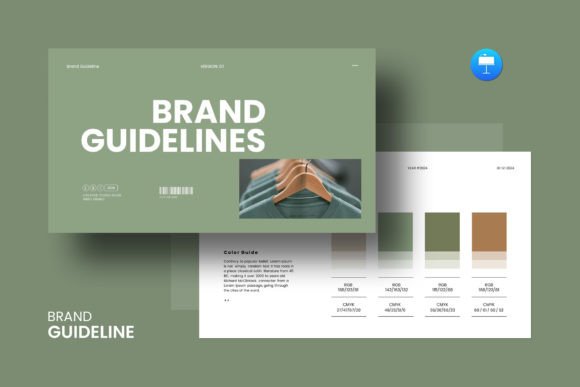
At its heart, a brand guidelines document is the rulebook for your visual language. It ensures that whether you're designing a social media graphic, drafting a presentation, or handing off files to a printer, the essence of your brand remains intact. The Brand Guidelines Keynote Template we're discussing is built with this exact purpose in mind. It's not just a collection of slides; it's a framework designed to enforce consistency across every touchpoint.
Imagine you're a small business owner launching a new product line. You need to brief a freelance designer on your packaging, update your website banners, and create a launch presentation for your team. Without a central document, you'd be sending separate emails with color codes, font names, and logo files—a recipe for inconsistency. This template consolidates all that information into one elegant, easy-to-share presentation. You simply add your logo, swap in your brand colors and typography, and you have a professional guide ready to distribute. The time saved is significant, but the reduction in miscommunication is even more valuable.
Designed for Real-World Application
What sets a practical template apart is its flexibility. This particular Brand Guidelines Keynote Template is structured around six essential sections—The Brand, Brandmarks, Color, Typography, Imagery & Application—plus an additional photography guide. Each section is thoughtfully laid out to cover the nuances of real brand usage.
For instance, the photography section goes beyond a simple "use good photos." It includes guidelines on style, natural lighting, lifestyle versus studio shots, composition, and even casting. This level of detail is crucial for a lifestyle brand or a content creator whose visual identity relies heavily on authentic imagery. It helps ensure that the photos used in your marketing materials, from Instagram posts to website hero images, all tell a cohesive story.
The template's design itself is a testament to modern typography and clean presentation. Based on master slides, it offers a consistent structure that's easy to modify. The 16:9 aspect ratio is perfect for digital presentations and screen sharing, while the fully editable graphics mean you can resize and adjust elements without losing quality. The inclusion of a free font is a thoughtful touch, removing one more potential hurdle for the user.
From Logo Design to Marketing Assets
The utility of a comprehensive brand guide extends far beyond internal use. Consider these practical applications:
- Onboarding New Team Members or Agencies: A concise, visual guide is the fastest way to get a new designer, marketer, or virtual assistant up to speed on your brand's look and feel.
- Freelancer Briefs: When hiring a freelancer for a specific project—be it a brochure, a set of social media graphics, or packaging design—providing this document upfront minimizes revisions and ensures the final product aligns with your vision.
- Content Creation: For bloggers, YouTubers, and podcasters, maintaining a consistent visual brand across thumbnails, channel art, and website graphics is key to recognition. This template serves as your personal rulebook.
- Pitching and Partnerships: Presenting your brand guidelines to potential investors or collaborators demonstrates professionalism and a clear brand strategy, building confidence in your business.
It's a versatile design asset that supports everything from logo design principles to the execution of print materials and digital products. The ability to easily drag and drop your own images into the template's placeholders makes it a dynamic tool, not a static PDF.
Choosing and Pairing Your Brand's Typography
While the template provides a structure, the choices you make within it—particularly regarding typography—will define your brand's personality. The right typeface can convey trustworthiness, innovation, elegance, or approachability. A serif font might lend a classic, authoritative feel, perfect for a law firm or a luxury goods brand. A clean sans-serif font often communicates modernity and clarity, a popular choice for tech startups and contemporary brands.
When selecting fonts for your brand guidelines, consider pairing a distinctive display font for headlines with a highly readable sans-serif or serif font for body text. This creates a visual hierarchy that guides the viewer's eye. The template's layout will help you visualize these pairings in context—on mockups of business cards, websites, and posters.
A critical, often overlooked step is testing your chosen fonts for readability across different mediums. A script font that looks beautiful on a wedding invitation may be illegible on a mobile website or a small product label. Always consider the primary applications of your brand. If your audience engages with you mostly through Instagram Stories and your website, prioritize fonts that render clearly on screens of all sizes.
Building a Brand That Lasts
Ultimately, a brand guidelines document is an investment in your brand's future. It's a living document that can evolve as your business grows, but its core purpose remains: to safeguard the integrity of your visual identity. By using a structured template like this one, you're not just creating a pretty presentation; you're building a system for consistency.
This consistency is what builds brand recognition over time. When your audience sees your specific shade of blue, your unique logo mark, or your signature font pairing, they should instantly connect it with your business. That level of recognition is built through disciplined application of your brand elements, which is exactly what a good guidelines document facilitates.
For the entrepreneur, the designer wearing multiple hats, or the content creator scaling their presence, having this system in place is liberating. It allows you to focus on creating great work, secure in the knowledge that every piece you produce is strengthening your brand's visual equity. The free support offered with this template is a valuable bonus, providing a safety net for any technical questions that may arise as you customize it for your unique brand identity.