Recipe Cookbook Template: A Modern Design for Culinary Creators
There's a unique kind of magic in a well-crafted recipe. The precise measurements, the evocative descriptions, the promise of a delicious outcome. But before anyone tastes your grandmother's secret sauce or your signature sourdough, they experience it with their eyes. A beautifully presented recipe isn't just a set of instructions; it's an invitation. It builds anticipation, conveys care, and establishes your brand as a trusted source of culinary inspiration. This is where the power of presentation transforms good content into an unforgettable experience.
More Than Just Pages: Crafting a Visual Narrative
For food bloggers, cookbook authors, and culinary entrepreneurs, a recipe is a story. The template you choose to frame that story is your stage. A generic layout can feel sterile and forgettable, failing to capture the warmth of home cooking or the sophistication of fine dining. The right design, however, acts as a silent partner, enhancing your voice and making your content inherently more shareable and professional. It’s about creating a cohesive world around your recipes, one that readers want to return to again and again.
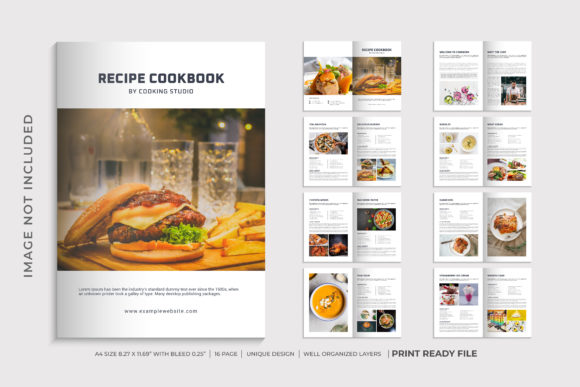
This is precisely the role a dedicated Recipe Cookbook Template fills. It’s not merely a collection of blank pages; it’s a thoughtfully designed system. Consider the A4 format size (8.27 x 11.69 inches)—a standard that feels familiar and substantial in hand, whether printed or viewed on a screen. The inclusion of a 0.25 bleed ensures your full-bleed food photography and background colors print perfectly, without unsightly white edges. These are the foundational details that separate amateur attempts from polished, premium publications.
Unlocking Creative Potential with Intuitive Design
The true value of a design asset lies in its flexibility. A template should empower your creativity, not constrain it. This is where features like being 100% editable and very easy to edit become critical. You’re not locked into a rigid structure. Want to swap the color palette to match your brand’s earthy tones? Need to adjust the layout to accommodate a step-by-step photo guide? With well-organized layers in AI and EPS versions, you have granular control. This level of customization is what allows your unique personality to shine through, transforming a standard template into your signature cookbook.
Practicality is key. The use of only free fonts is a significant advantage, especially for those just starting out. It removes the barrier of expensive licensing, allowing you to invest in other areas like ingredients, photography, or marketing. Furthermore, having 16 custom page designs at your disposal provides a robust starting framework. You get variety without the overwhelm of building every spread from scratch. It’s a balance of structure and freedom that streamlines the production process.
From Digital Screens to Printed Tables: Practical Applications
The utility of a versatile Recipe Cookbook Template extends far beyond a single project. Think of it as a central hub for your culinary brand’s visual identity.
- Digital Products & Lead Magnets: Package a collection of seasonal recipes into a beautifully designed PDF e-book. This serves as a powerful lead magnet for your email list or a valuable digital product for sale, establishing your authority and providing tangible value to your audience.
- Print Materials: The premium quality and bleed settings make it ideal for short-run print projects. Create stunning recipe booklets for local cooking classes, artisanal food fairs, or as a special gift for loyal customers. The A4 size is perfect for both saddle-stitched booklets and spiral-bound books.
- Brand Consistency: Use the template’s design language—its typography, spacing, and graphic elements—to inspire your other assets. The layout principles can inform your blog post graphics, social media carousels, and even your website’s recipe card design, creating a seamless brand experience.
- Editorial & Client Work: For designers and freelancers, having a high-quality template in your toolkit is invaluable. It allows you to quickly mock up proposals for food brands, restaurants, or lifestyle clients, demonstrating a professional and efficient workflow.
Building a Recognizable Brand Through Cohesion
Visual consistency is the bedrock of brand recognition. When a reader encounters your recipe layout on Instagram, then sees the same design philosophy on your website, and later holds a printed booklet that feels familiar, a powerful connection is forged. This template provides the consistent visual framework needed to build that recognition. The structured yet flexible layouts ensure that whether you’re showcasing a complex entrée or a simple salad, the presentation feels unmistakably yours.
This cohesion directly impacts audience engagement. A clean, well-organized layout with ample white space improves readability, allowing the recipe instructions and personal anecdotes to be absorbed without strain. It signals professionalism and care, which builds trust—a currency of immense value in the food space. Readers are more likely to save, share, and return to content that is not only delicious but also a pleasure to read and navigate.
Making It Your Own: Final Considerations
When you begin customizing, think about your project’s core goal. Is it a sleek, modern vegan guide? A rustic, homestyle baking collection? The template’s neutral foundation allows you to direct the mood through your choice of photography, color accents, and the free fonts you pair with it. Experiment with font pairings—perhaps a clean sans-serif for instructions and a elegant serif for chapter titles—to create hierarchy and visual interest.
Remember to test your designs in their intended context. View the digital version on both a desktop and a mobile phone. If printing, order a single proof copy first to check colors and trim. This attention to detail in the final stages ensures the premium quality of the template is fully realized in your finished product. In the end, a tool like this is about saving time and elevating quality, allowing you to focus on what you do best: creating and sharing incredible food.